Ward: Bridgwater Westover
Constituency: Bridgwater and West Somerset
Phone: 07946 460841
Masjid Theme is a contentious topic. Factionalism and sectarianism around mosques/masjids is widely recognised but treated by most masjid managements as a taboo subject, because every masjid will proclaim that it welcomes anyone of any persuasion, and this is manifestly true. Nevertheless, however welcome you are made to feel, every masjid will expect you to adhere to the practice that prevails in that masjid, and will treat you with hostility if you try and perform any other Islamic practice than that approved by the imam and committee even while claiming that their masjid is for the whole Muslim community and has no allegiance to any particular sect.
Sectarianism is the biggest problem facing Muslims in Britain, yet it is the one that few masjids acknowledge as their own, and none has a constructive strategy for tackling it. Yet its prevalence is the single biggest obstacle to tackling violent extremism in Britain's Muslim community.
There are three vital ingredients to tackling militant extremism in UK masjids:
(i) Masjid managements and imams must be transparent, accountable and inclusive of diverse factions.
(ii) This cannot happen while they and their congregations remain sectarian, because opening up of access to masjids and their management risks take-over by a rival, hostile sect. Therefore Masjid management, imams and congregations must learn tolerance and mutual respect of diverse sects among themselves.
(iii) Tolerance and mutual respect cannot occur while politicians and the media demonise ordinary, responsible and respectable sects such as Deobandis, Islamic Movement, and Salafis, or even politically challenging, but nevertheless tame, entities such as Hizb-ut-Tahrir.
MuslimsInBritain.org exists to address all three of these issues:-
(i) I publish 'Theme' and 'Management' ethnicity information even when masjid managements themselves object, because I need to break the pretend taboo and bring the issue into the open.
(ii) I publish information about sectarian activity and guidance on how to overcome it, to encourage tolerance and mutual respect.
(iii) I publish MuslimsInBritain.org as the authoritative source of independent practical information about the UK Muslim community, to take apart government, politicians' and media misconceptions about extremist preachers and extremist masjids.
Further reading from our book, Islam and Muslims in Britain - A Guide: Mosque Organisation
 vCard
vCard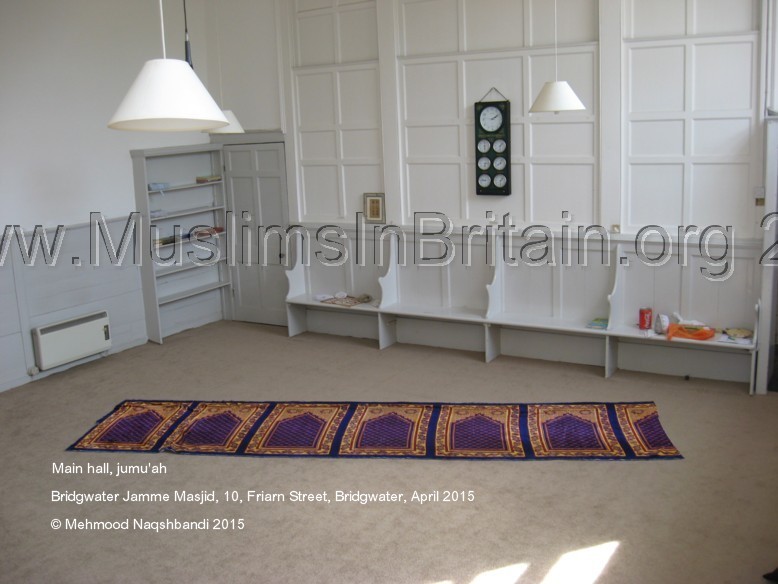
Notes
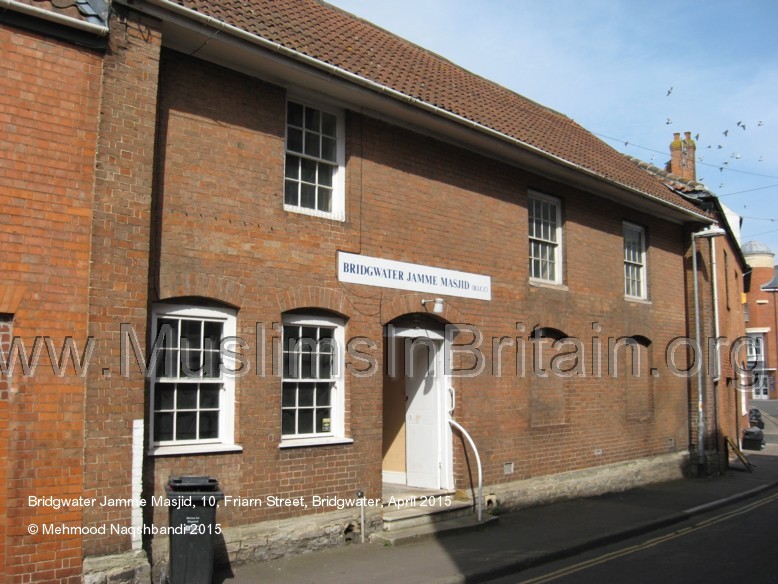
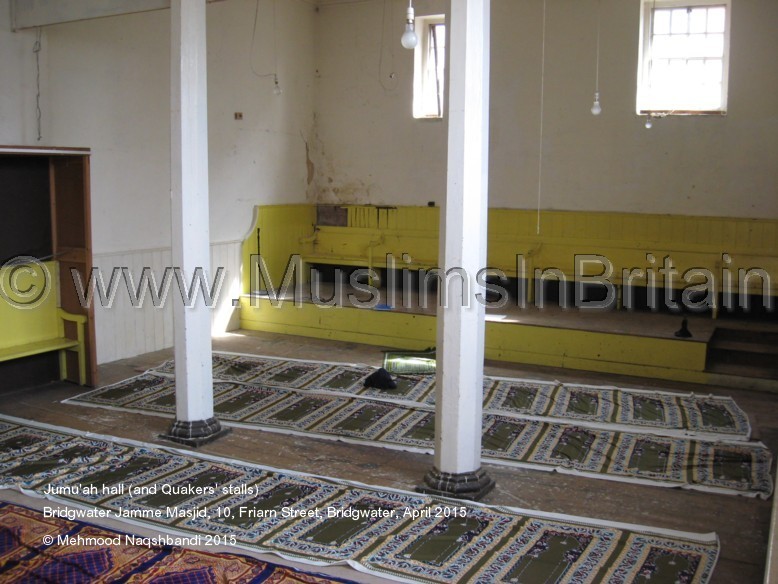
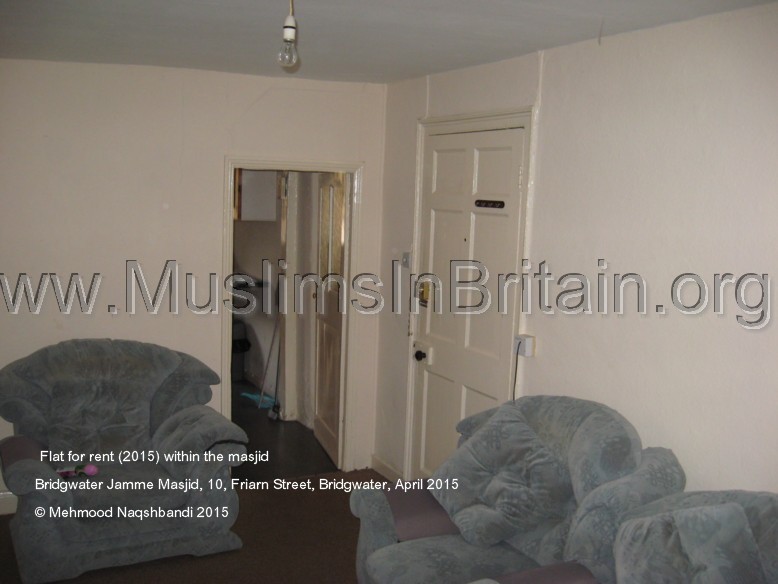
Former Quaker Meeting House. They asked me to mention an included flat available for rent.
Full (A): Reasonably recent first-hand (i.e. MiB.org admin) knowledge of the masjid.
- A: Reasonably recent first hand knowledge of the masjid. (A place that is now defunct is 'A' if we've seen for ourselves it no longer exists.)
- B: Well known masjid with plenty of corroborating information to support our data.
- C: Masjid with a single reliable source of information to support our data.
- D: Several sources of information about the masjid, but none of them recent and reliable.
- E: Very limited information about the masjid, from an old or unreliable source.
- F: This place probably does not exist any longer. Or, "We've heard a rumour that there is a masjid around here somewhere."
Last Updated: 16/04/2015
 Provide Feedback